
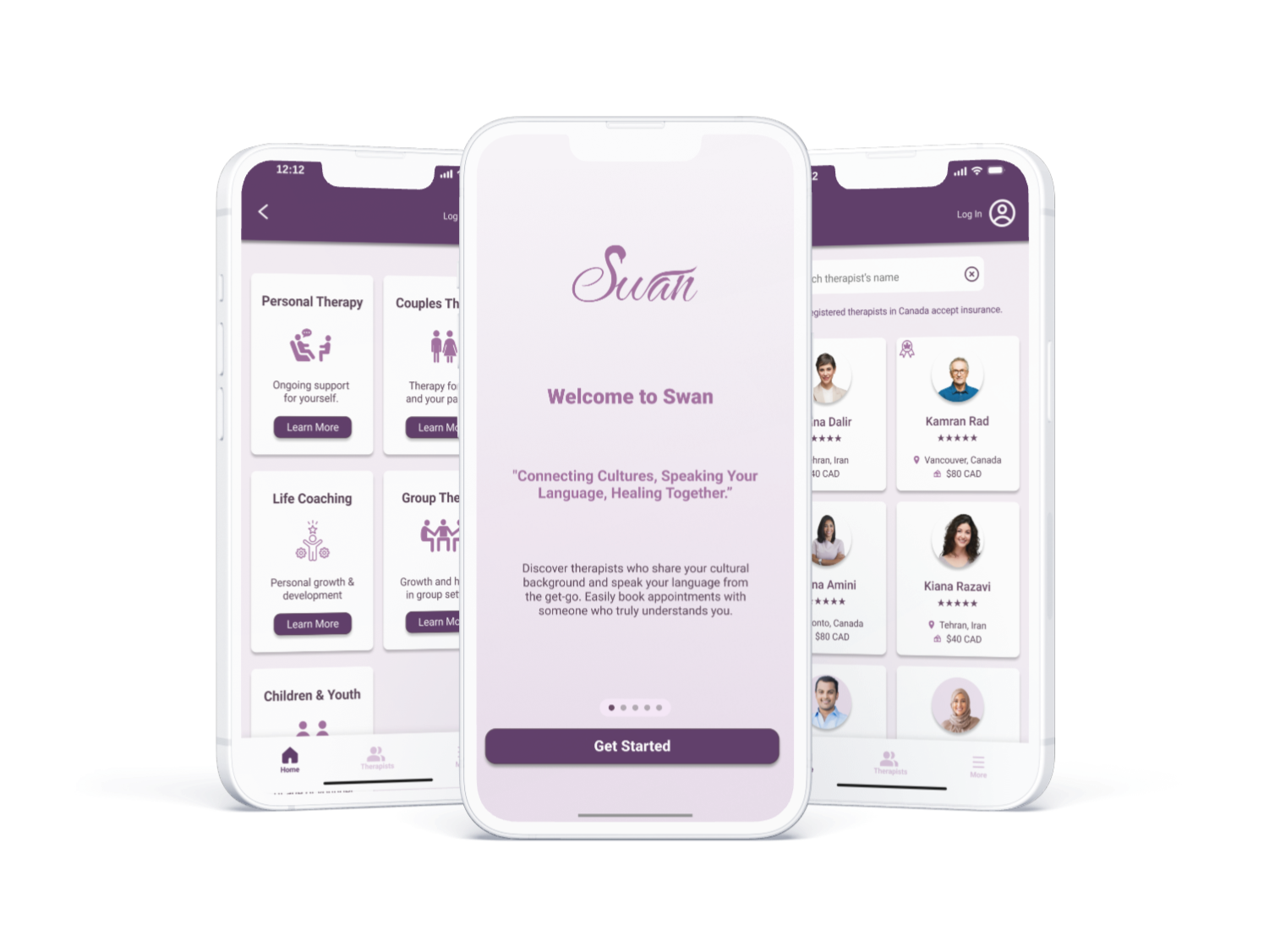

Connecting immigrants with therapists sharing the same background and language. Facilitating therapy sessions for a seamless experience.
Project Overview
Swan is an app designed to connect immigrants with therapists who share the same cultural background and living experiences as well as language. It empowers users to choose their preferred therapists not only from within Canada but also to connect with therapists worldwide.

Project Type:
Academic - Individual
Role:
UX Researcher, UX/UI Designer
Duration:
10 Week
Platform:
iOS
Tools:
Figma, Otter.ai, Sketching apps, Notion, Canva
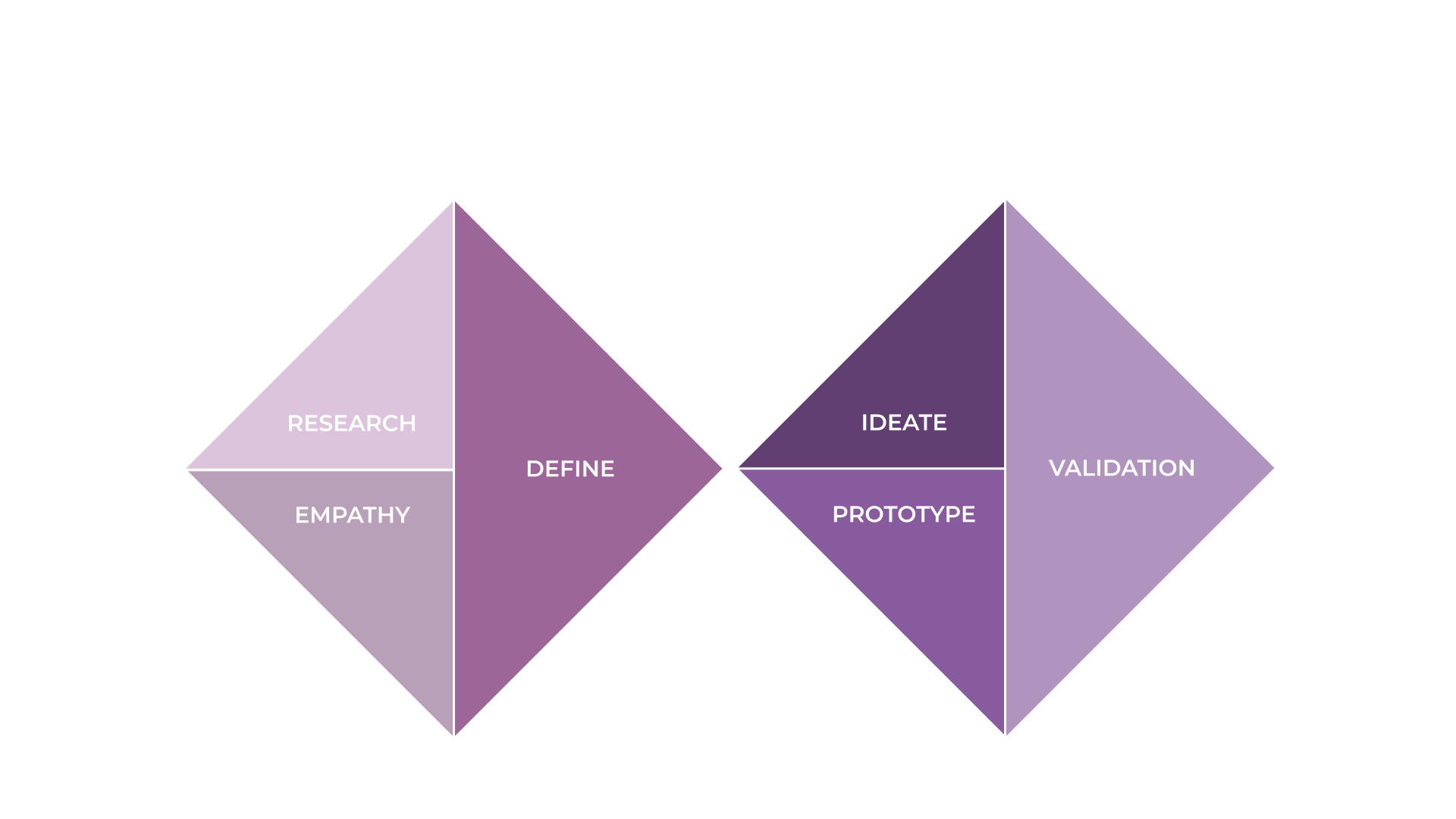
Design Thinking Process: Double Diamond
Imagine two diamonds – one representing exploration, the other representing action. These diamonds symbolize the design thinking process. The first diamond, divergent thinking, encourages us to explore an issue broadly and deeply, gathering a wide range of ideas. The second diamond, convergent thinking, helps us refine those ideas, focusing on the most promising solutions to put into action.
Immigrants Access Mental Health Support Less than the General Population
Discovery of the Problem Space
In Canada, the demand for mental health support is increasing amidst a worrying shortage of psychiatrists and psychologists, posing a significant challenge to effective service delivery nationwide. Within this rising demand, a concerning trend emerges: immigrants, accounting for about one-fifth of Canada's population, are accessing mental health support at notably lower rates compared to the general population.

Beyond Borders, Beyond Barriers: Accessing Mental Health Care as an Immigrant
Secondary Research
20%
are affected by mental illness annually, with youth particularly impacted.
Language Barriers & Cultural Mismatch
services hinder immigrants' access to mental health support
22-Day Wait Time
Canadians face average wait times for community mental health counselling.
45%
of Canadians feeling their mental health needs are unmet or partially met.
It's more than just the language barrier...
It's more than just the language barrier...
User Interviews
Beyond the Numbers: User Interviews Uncover Millennial Therapy Experiences
The survey revealed millennials (25-40) might need a helping hand finding therapists. To better understand their experience, I talked with five individuals in this age group who faced some hurdles. This helped me learn more about their frustrations and decision-making process.
Here are their shared insights and frustrations divided into three themes:
Cultural & linguistic consideration
Understanding cultural backgrounds and speaking native languages is crucial for therapists to effectively support immigrants.

Despite challenges, immigrants show resilience by seeking alternative strategies like virtual therapy from home-country providers,
Seeking alternatives and coping strategies
High therapy costs limit access for immigrants, urging affordable options for equitable mental healthcare.
Accessibility and Affordability

“How can someone who has no idea what I have been through in my home country help me, other than asking me to focus on the moment?
”if somebody is going to give me mental health support they have to know about the situation that I grew up in and the history that we live in Iran as females.”

“It was kind of hard to find someone that speaks our language and was also covered by insurance.”

“If people will be paired with somebody who can empathize better with them, who can relate to their situation.”
As “cultural and linguistic consideration” was a common pain point that resonated with many participants, I decided to put my focus on this theme.
“If the person I’m talking to does not understand where I’m coming from and what are the barriers I face here, then there is no point.”
“It’s hard to explain the immigrant situation being here for people that never had this kind of experience.”


Beyond Language: Understanding the Unique Needs of Immigrant Therapy Clients
User Survey
To build on what I learned from secondary research, I reached out to people through a survey to see if our findings held true in the real world. This survey was distributed among immigrants mostly from the Middle East, Europe and South America. Results from 36 responses showed:

of respondents reported living in Canada for over 5 years.
47%
58%
never sought professional mental health support in Canada
72%
of respondents stated that cultural compatibility is one of the main factors when looking for a therapist.
66%
Immigrants never seek support due to high cost and communication barriers
58%
of respondents stated that language compatibility is one of the main factors when looking for a therapist.
Define a focused project scope
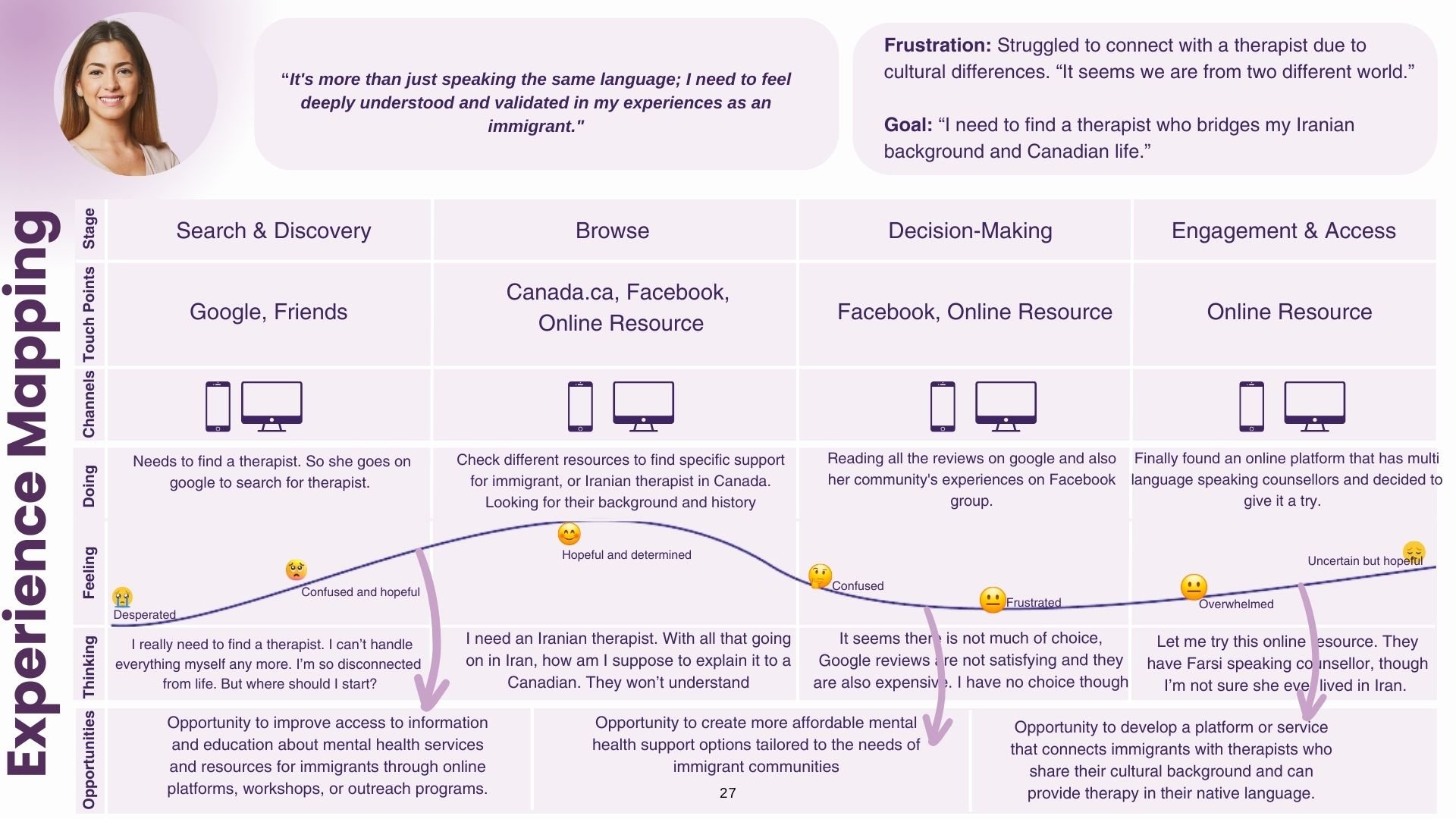
Walking in their Shoes: Persona and Experience Map Dig Deeper into Users’ Needs.
Thanks to the insightful interviews, I gained a deeper understanding of the millennial experience. Leveraging this research and the core theme (Cultural and Language consideration), I created a persona and experience map. These tools helped me tailor my designs specifically for the target users and identify key opportunities to focus my digital solution.
The Challenge
How might we help immigrants access therapists who share the same language and cultural background?
User stories & epics
Turning Needs into Actions: Define App Functionality
Tina's journey highlighted a challenge: limited access to culturally competent therapists. Considering the HMW, the solution bridges this gap: Building an app connecting users with therapists who share their background, all under the same roof. Through user stories (40+) categorized into 4 epics, I defined key functionalities. Prioritizing the core value proposition, language and cultural connection, I selected 2 epics as primary and secondary to design a robust digital product.
Primary Epic: Therapist Selecting/Matching
As an immigrant, I want to:
✍🏻 connect with a counsellor who speaks my native language, so that it would be easier for me to speak about my feeling.
✍🏻 connect with a counsellor who is from my background, so that they can understand my challenges specific to where I've lived.
✍🏻 be able to review the history of the therapist, so that I understand if they can be a good fit for me.
✍🏻 get recommendations on who would be a better match for my needs, so that I can get the best support.
✍🏻 see a comprehensive therapist profile, so that I can trust them more.
Appointment Booking
Therapist Selecting/Matching
Profile Management
Financial Management
Secondary Epic: Appointment Booking
As an immigrant, I want to:
✍🏻 be able to book my session myself, so that I can find the best time convenient for me.
✍🏻 be able to choose to connect with the therapist online or in person, so that I can decide based on my situation.
✍🏻 receive a confirmation and receipt after booking, so that I'm sure that my spot is secured and my payment has gone through.
✍🏻 have a recurring booking option, so that I don’t need to book each session one by one.
View all user stories & epics
Task Flow
Fast Track to Therapy
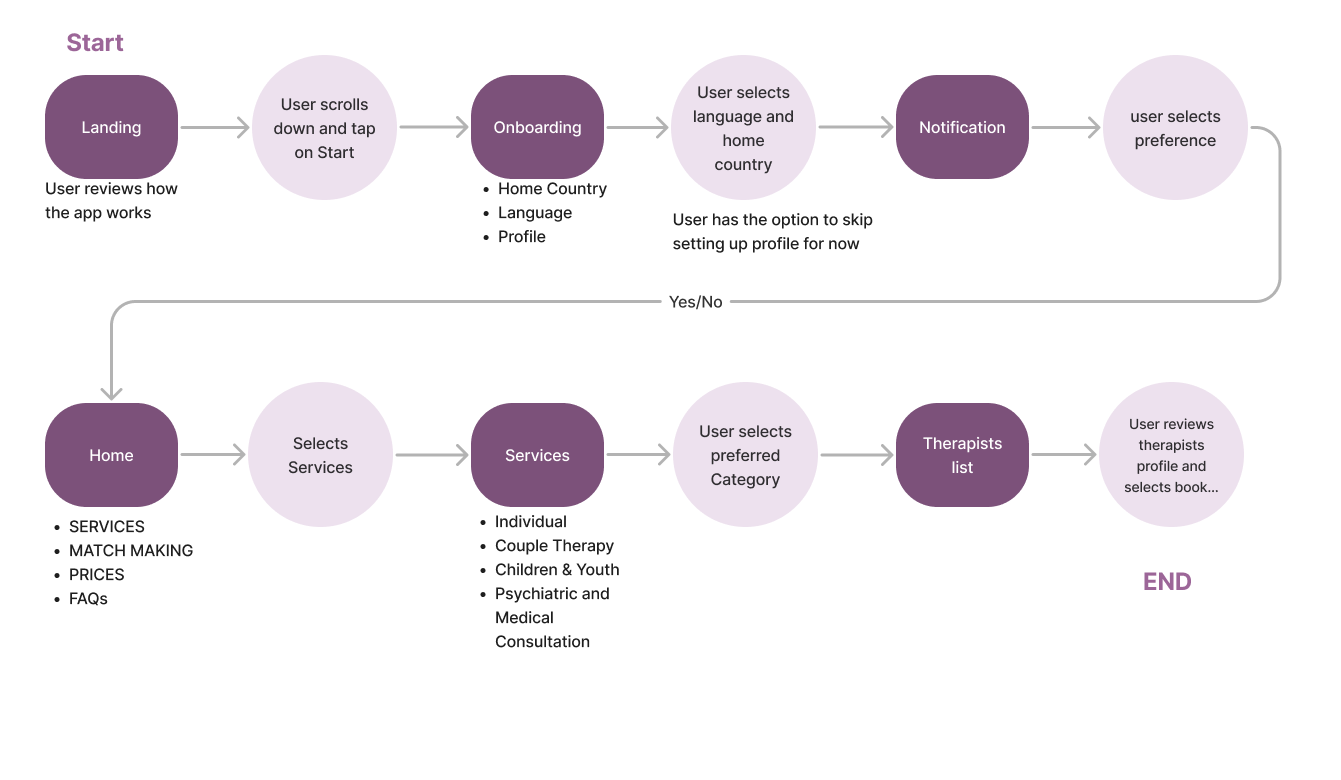
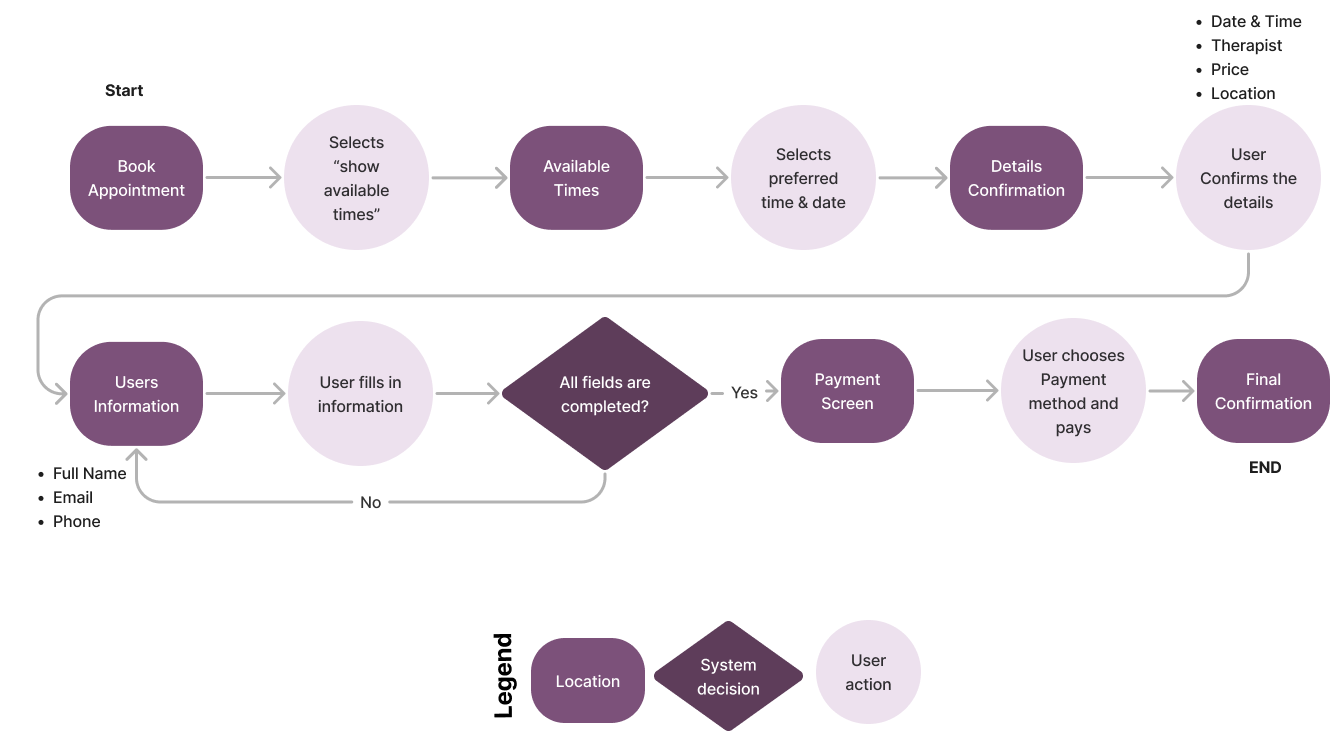
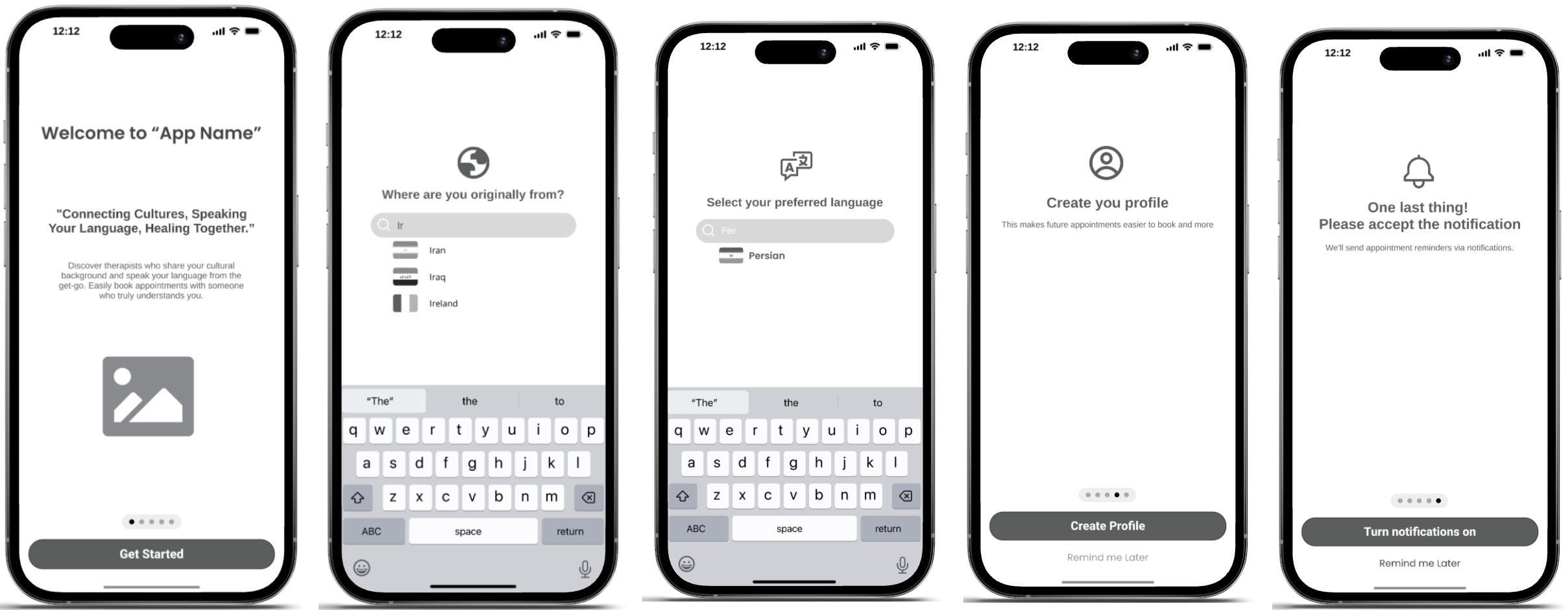
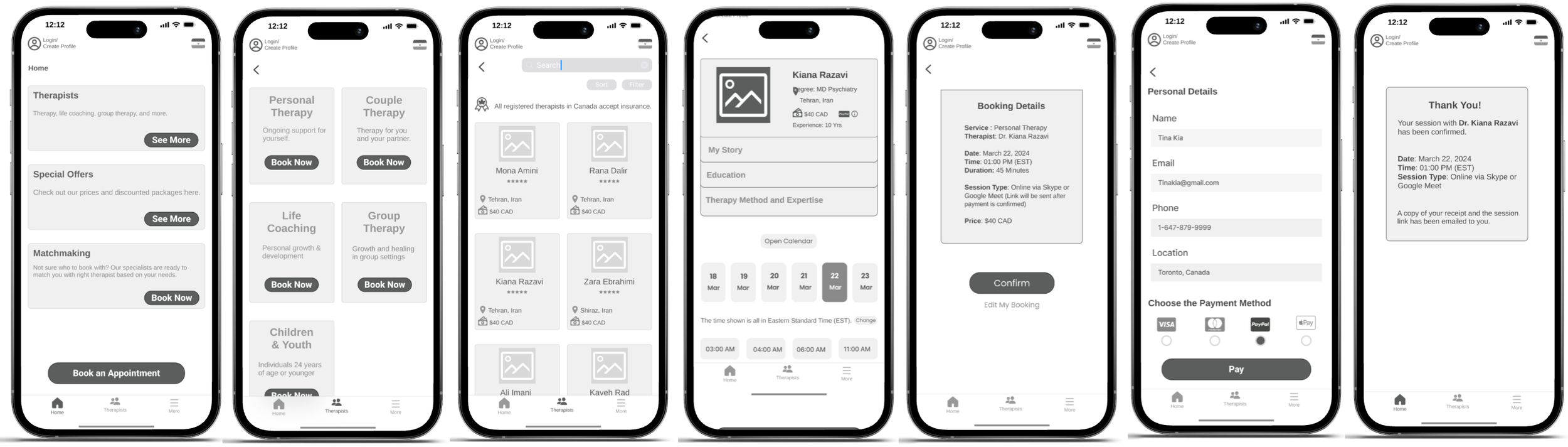
This user flow prioritizes a seamless onboarding experience to address users’ needs. Users can easily select their home country to ensure therapist recommendations are tailored to their cultural background. Subsequently, choosing their preferred language fosters a comfortable and familiar environment during therapy. Finally, with convenient in-platform appointment booking, users can swiftly connect with the right therapist for their unique needs addressing our HMW.
Task 1: Find a Therapist
Task 2: Booking an Appointment
Develop potential solutions
Refine Layouts Through Inspiration
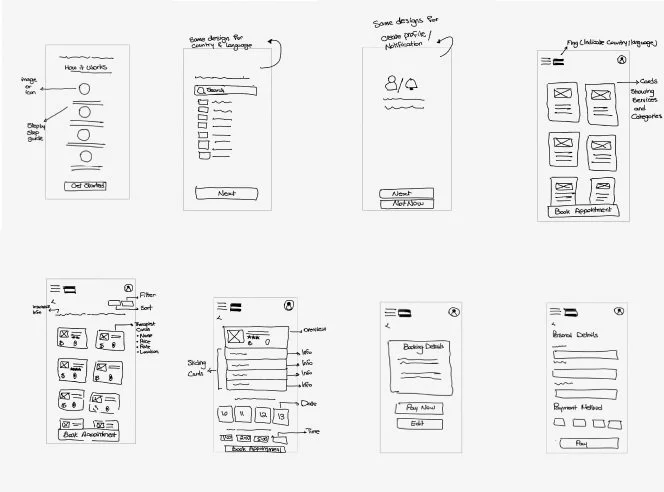
To fuel creative exploration for the interface, I leveraged a UI Inspiration Board. This visual boost led me to sketch out 3+ variations for each location in the task flow. From these explorations, I identified and refined the most promising design solutions to bring the user experience to life.

Wireframes
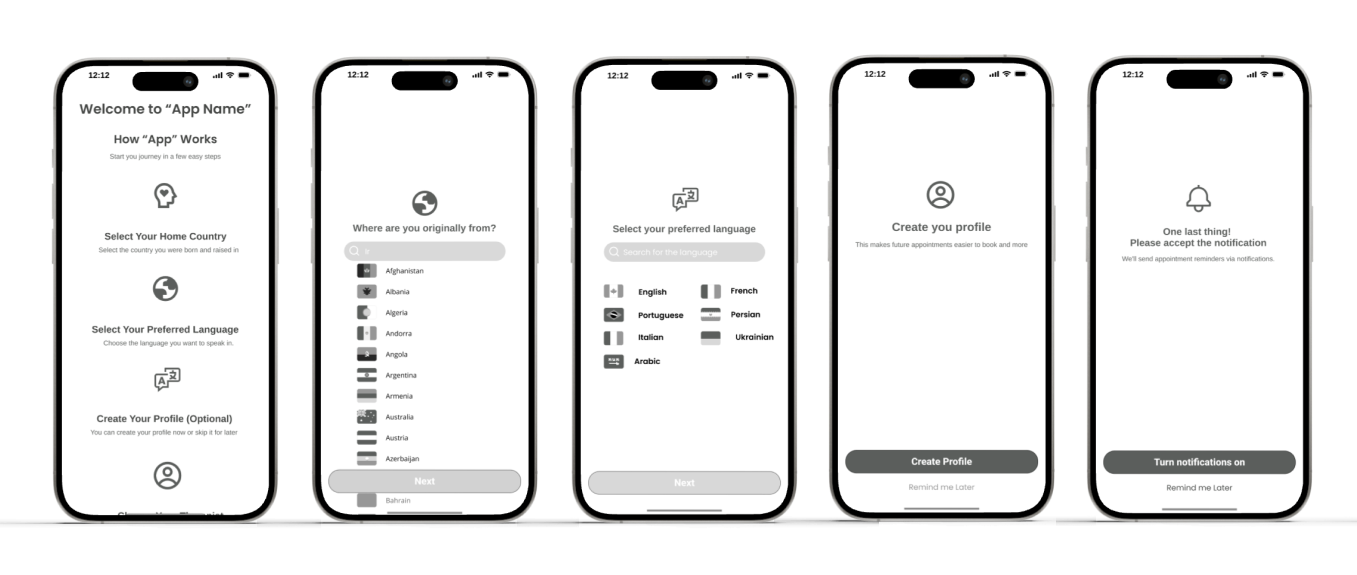
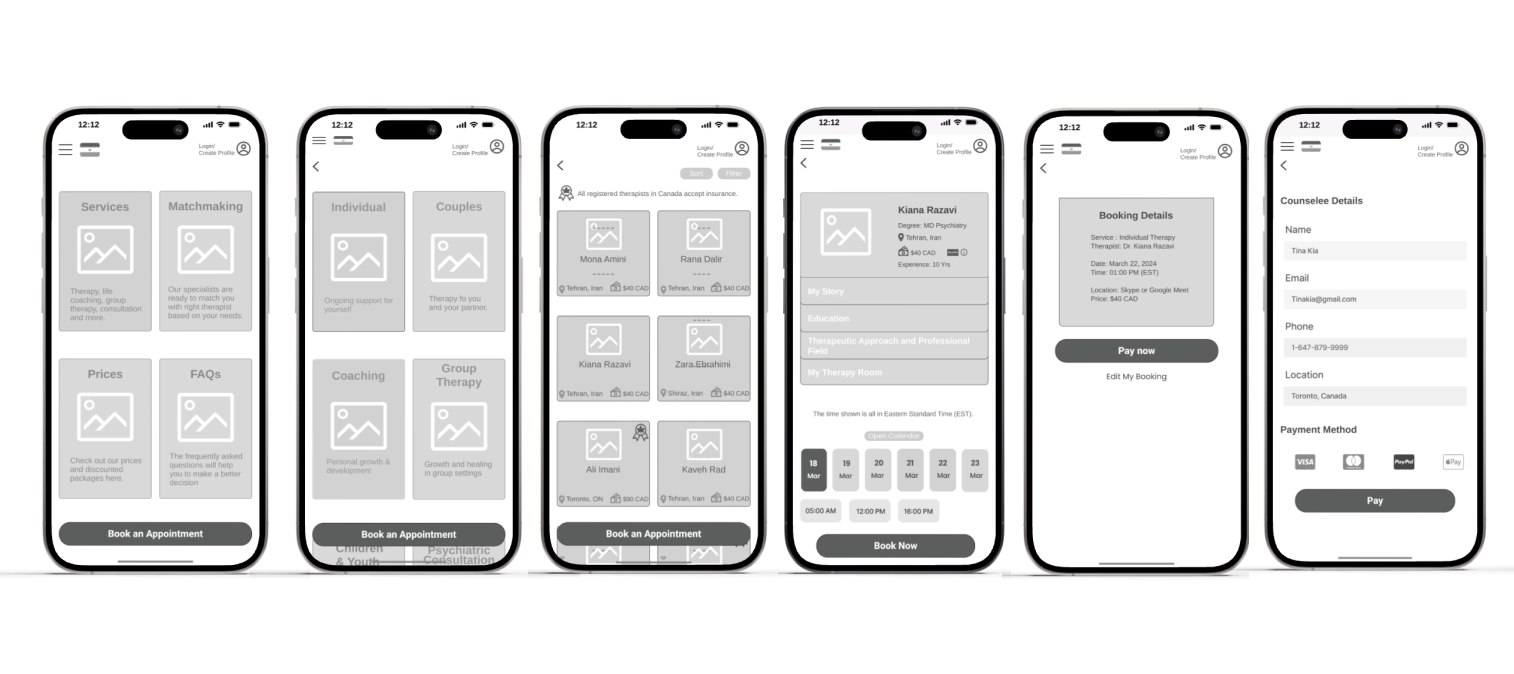
Sketches Pave the Way for Wireframes
Taking the user-centred design to the next level, we translated solution sketches into mid-fidelity wireframes.
Deliver - User Testing: What is working
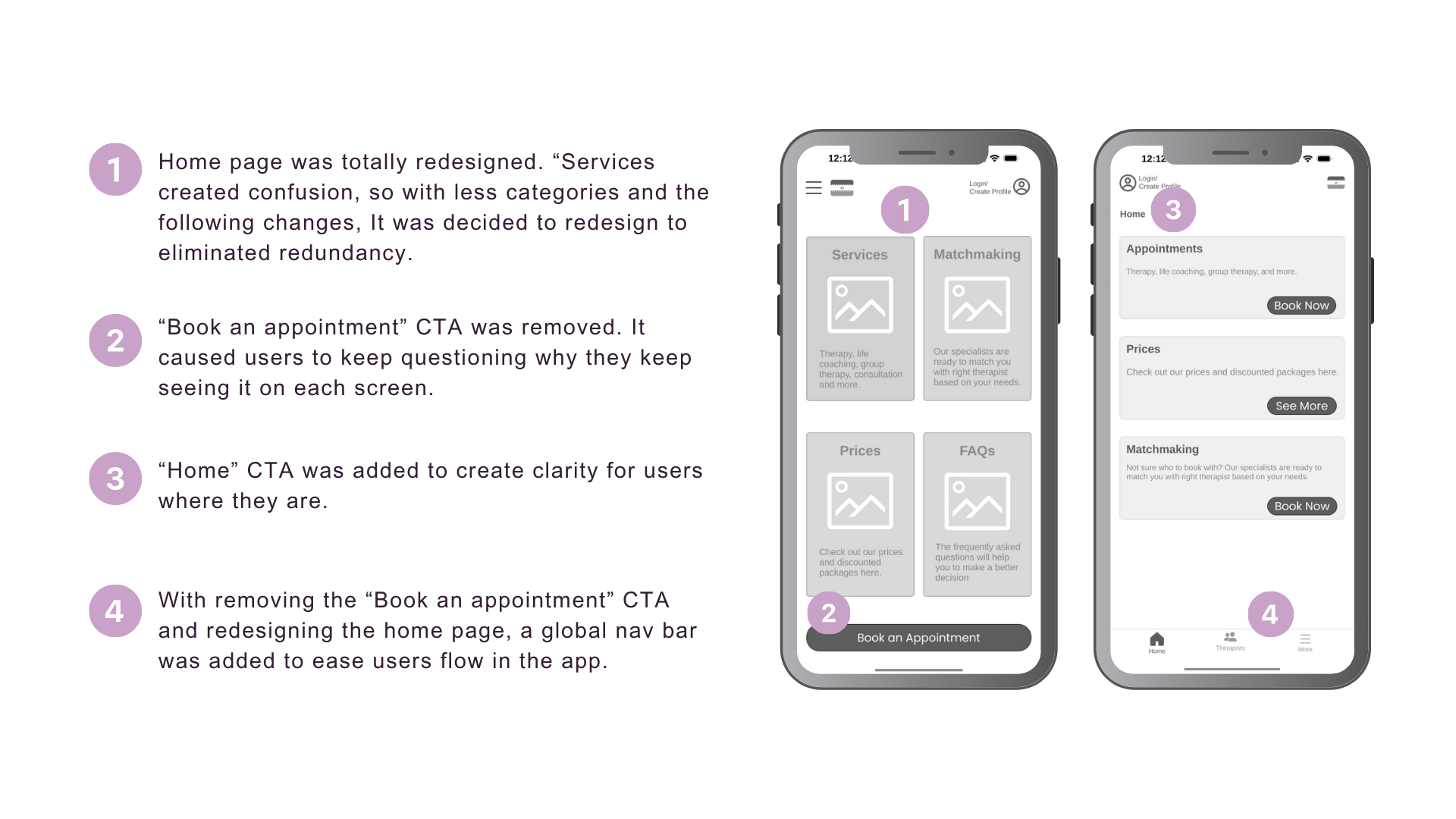
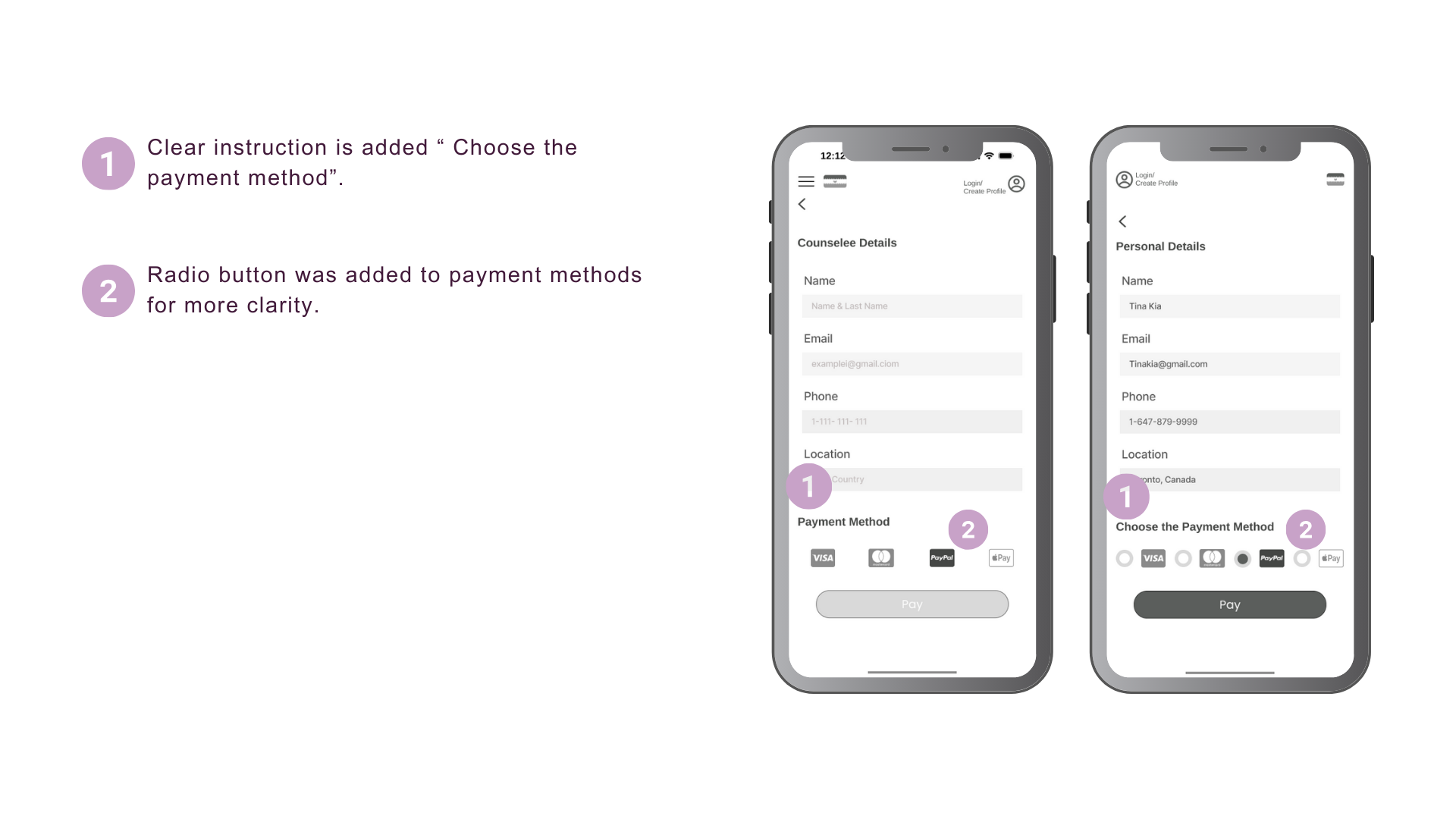
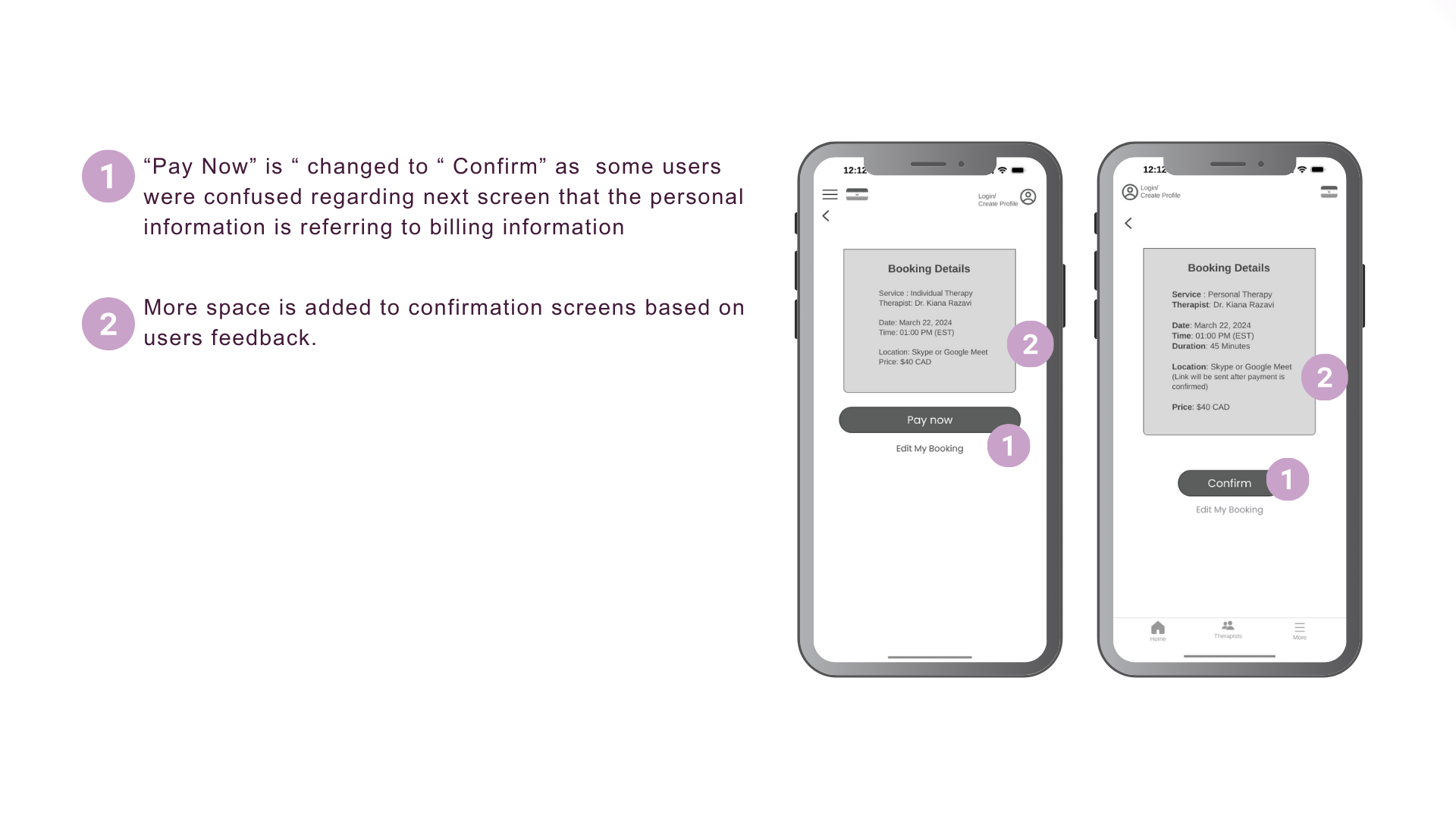
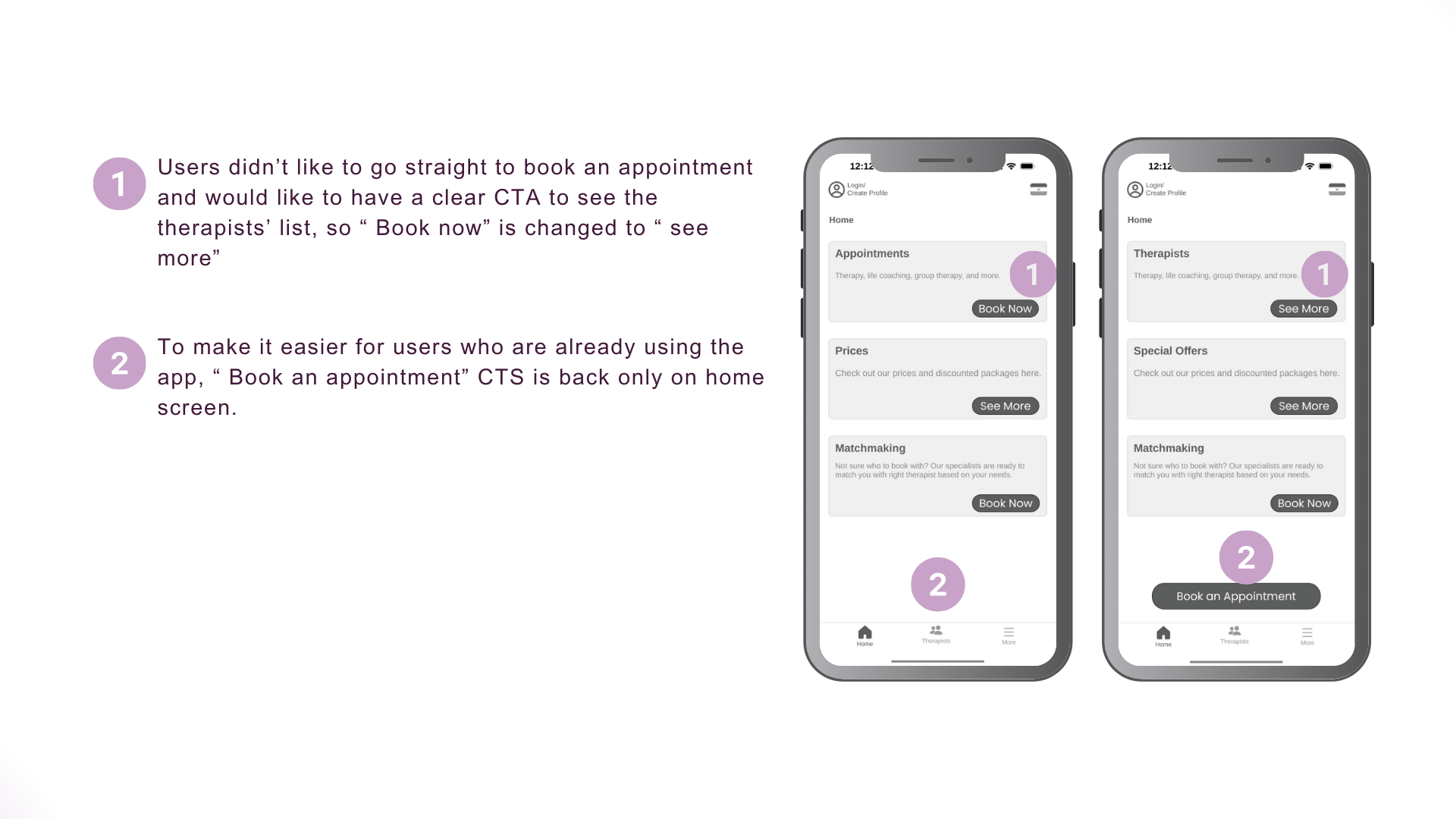
Testing, Tweaking, Thriving: User Feedback Fuels Design Iteration .
Real users are key to building a fantastic app! To ensure this digital solution delivers a seamless experience, I conducted 2 rounds of user testing, with 10 participants. In each round, I briefed them with a clear introduction and scenario and observed them as they tackled specific tasks within the app. Throughout the process, I encouraged open feedback and questions. This focus on user interaction and honest feedback provided invaluable insights into the app's usability. These insights will then guide the refinement process, guaranteeing a user-friendly experience for everyone.
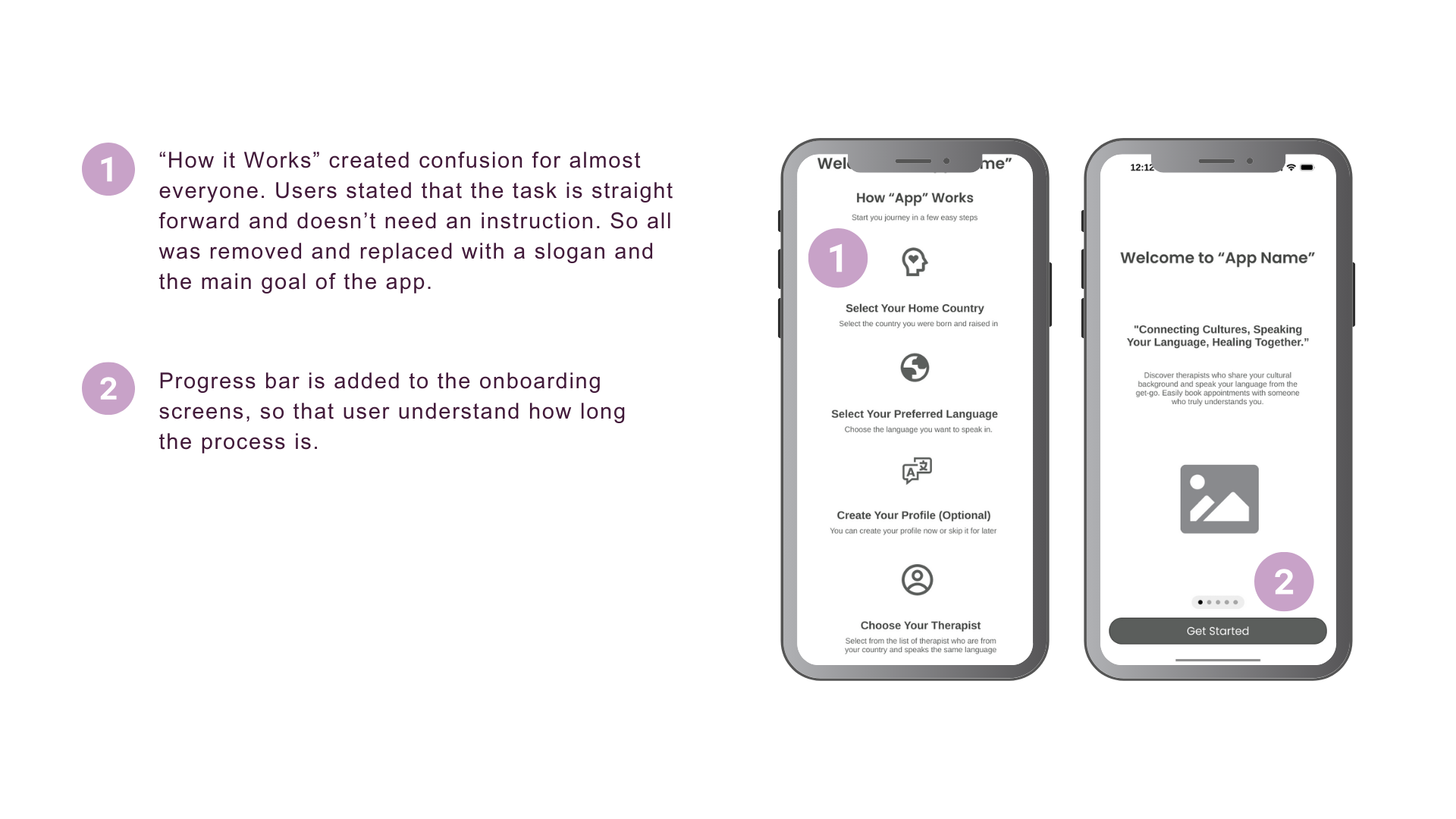
User Testing - Round 1
User Testing - Round 2
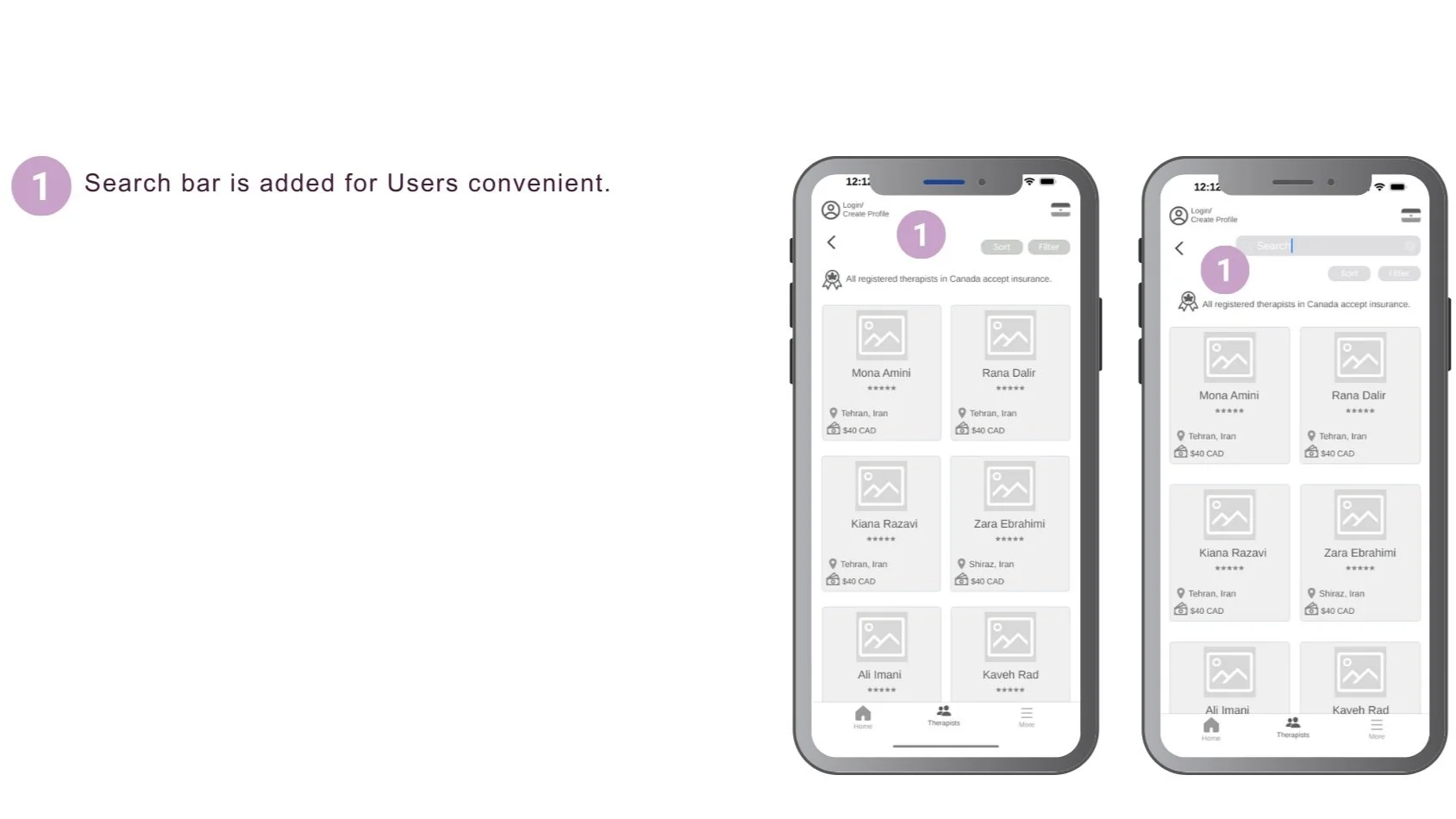
Final Version Wireframes
The design went through some upgrades and was ready a step closer to high-fidelity mockups.
Brand Identity
Shaping a Brand's Visual Story
Before high-fidelity mockups, a strong brand identity takes center stage. It's like the app's DNA, shaping the user experience. To capture this essence, I brainstormed key adjectives that embody the app's core message.
Empathetic
Healing
Serene
Encouraging
Nurturing
Naming an app for a global audience of immigrants meant navigating cultural waters. It needed to be a word that transcended languages and resonated across borders. "Hummingbird" and "Lotus" had potential, but symbolism can differ. "Hummingbird" wouldn't fly universally, and "Lotus" felt more zen than therapy. "Swan," however, emerged as a graceful choice, a name both beautiful and understood.

Understanding

With my brand values in mind, I created a mood board to translate them into colours. Calming tones felt perfect, reflecting the value of calming and encouraging
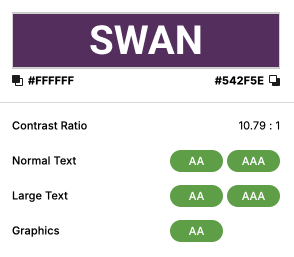
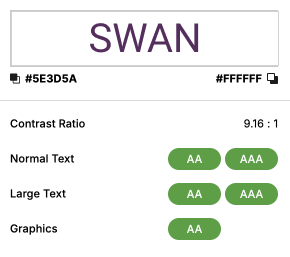
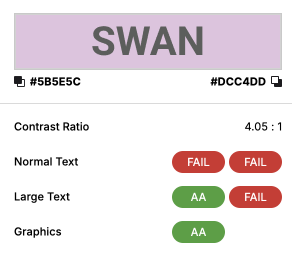
Accessible for All
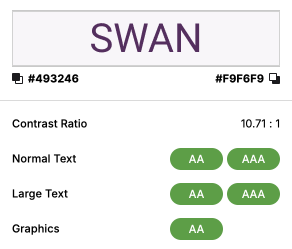
I prioritized clear and easy-to-see colours for everyone using the app. To achieve this, I followed WCAG accessibility standards. While some colour combinations might not meet the strictest AAA level, I ensured they wouldn't be used for important text in key areas of the app.
Why Swan?
Connecting
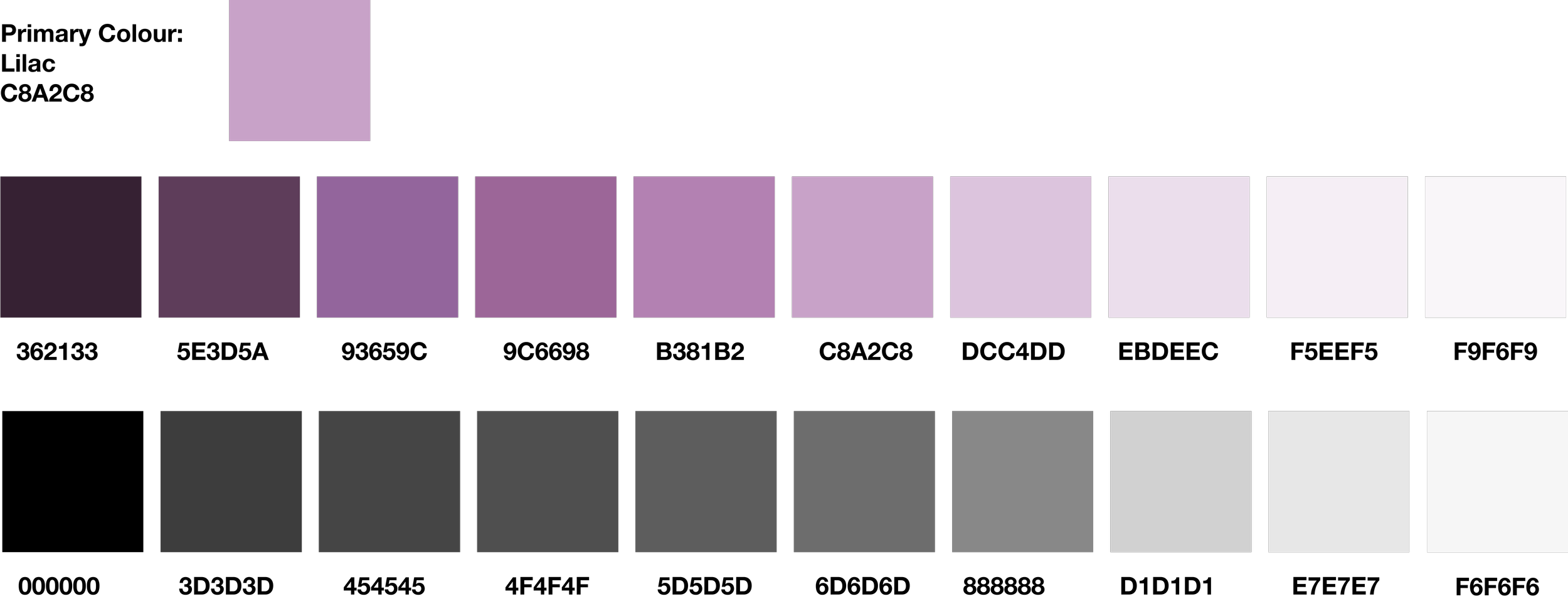

I chose a Lilac monochromatic colour palette, as lilac is considered to be a soothing colour which can encourage emotional expression because Lilac colour can convey a gentle and calm feeling.
A swan has often been seen as a symbol of wisdom and includes awakening the power of self, balance, grace, inner beauty, innocence, self-esteem, seeing into the future, understanding spirituality, evolution, developing intuitive abilities, grace in dealing with others and commitment.


Supporting
Calming
Introducing Swan
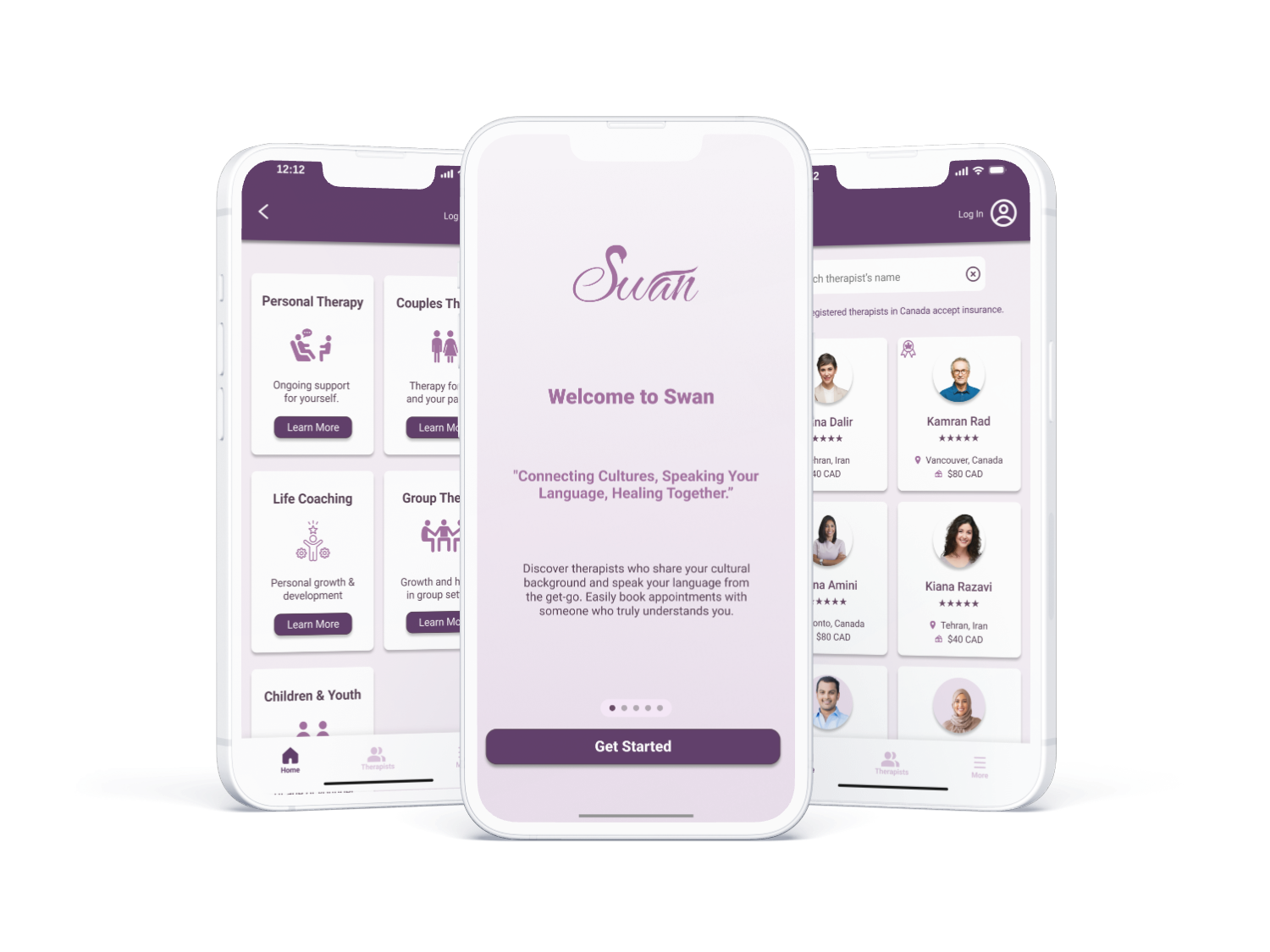
With a vibrant colour palette in place, the prototype wasn't done yet! User feedback and rounds of testing helped me polish and elevate it to a high-fidelity level.
Marketing Website
Your Solution Awaits
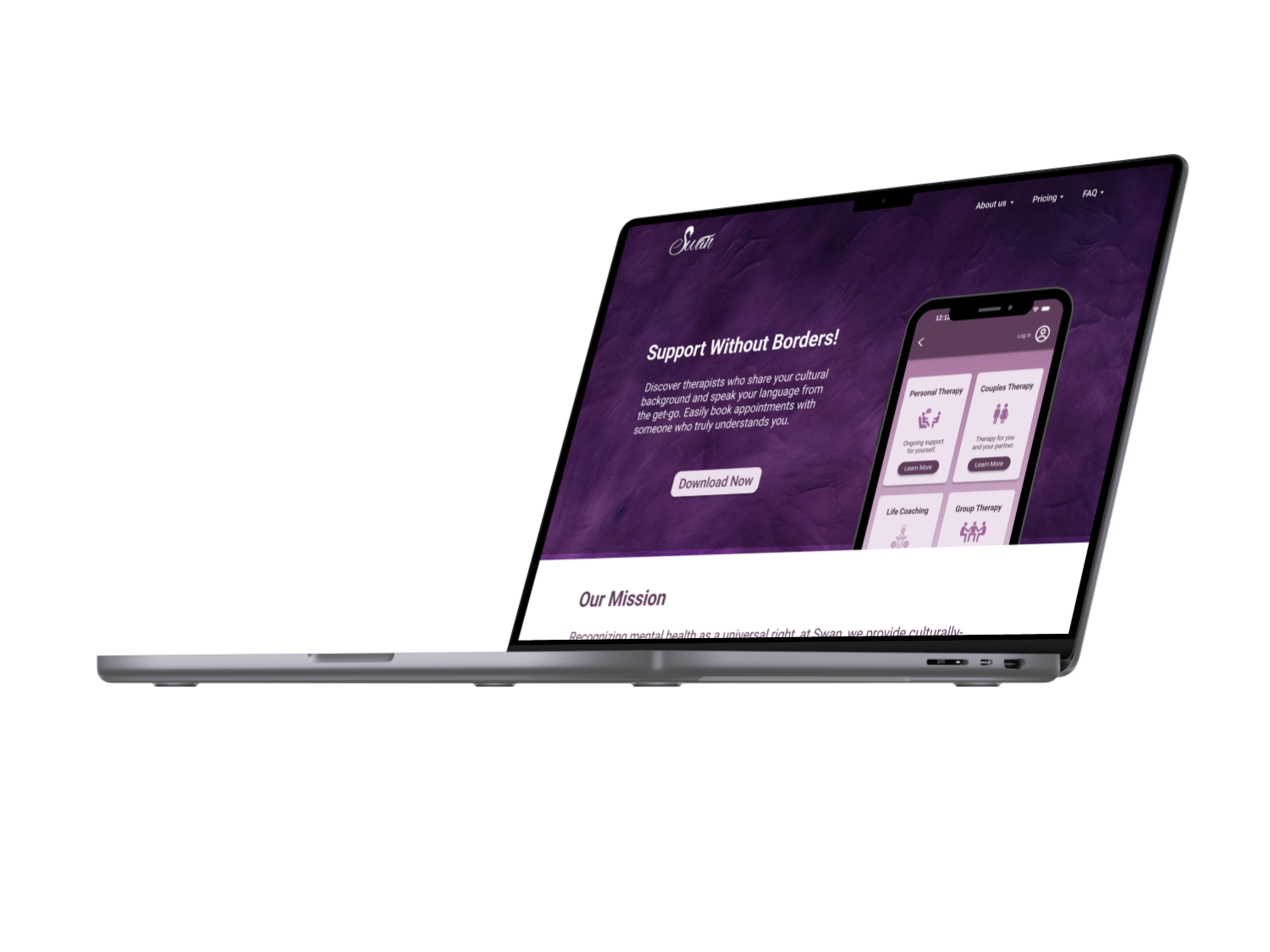
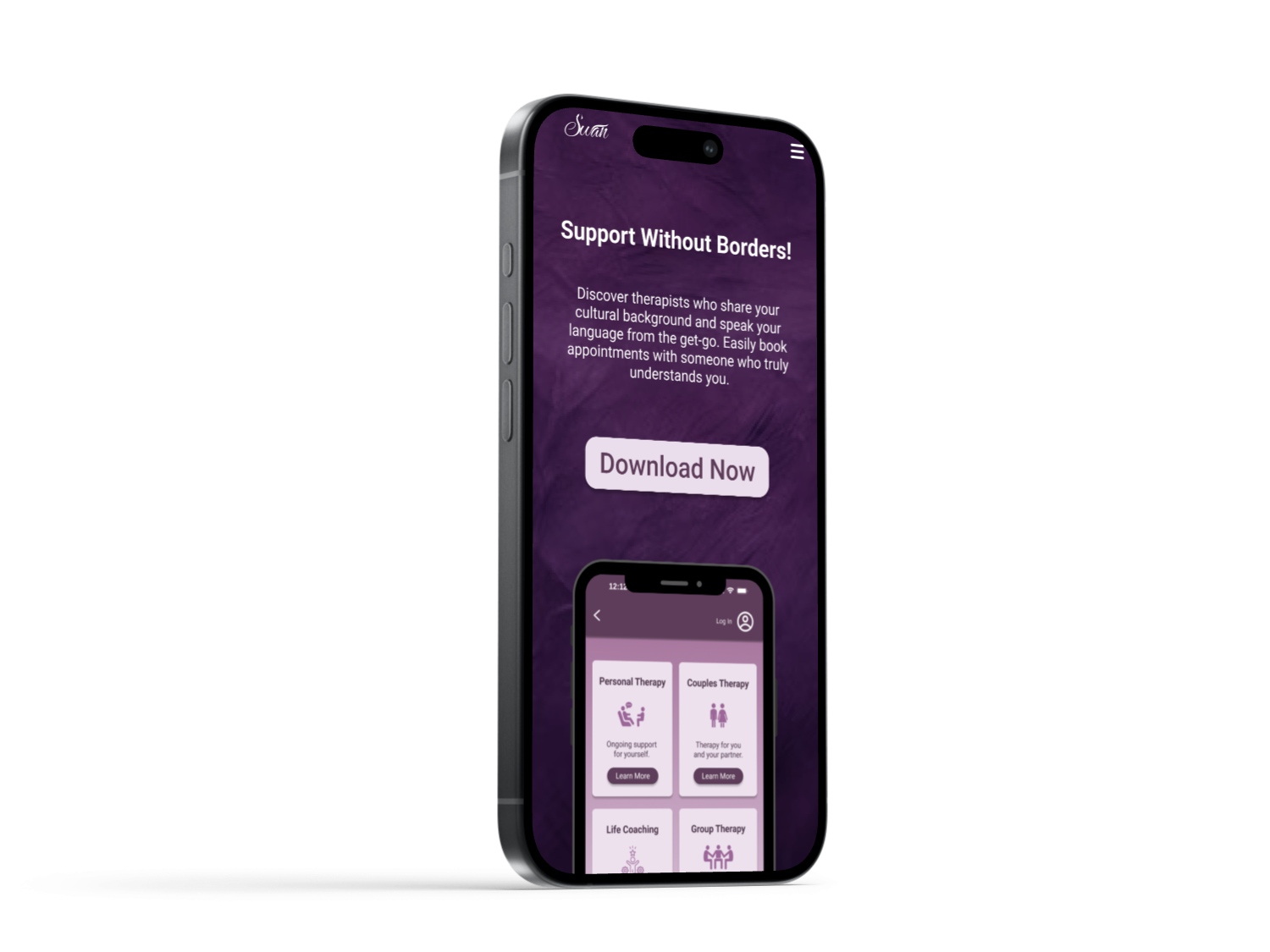
To help potential users discover Swan, I designed a responsive website. This user-friendly platform acts as a one-stop shop, where visitors can learn about everything Swan offers and the benefits it unlocks when you download the app.
Design Impact
Bridging Cultures, Building Wellbeing
Swan's mission goes beyond providing therapy services. It recognizes the unique needs of diverse communities and offers culturally sensitive care. This approach fosters a sense of belonging and resilience amongst individuals from all backgrounds.
Swan believes in promoting accessibility and empowerment - making mental health services readily available and encouraging individuals to take charge of their well-being. Ultimately, Swan acts as a catalyst for positive change, promoting mental wellness and fostering a more cohesive and supportive community.
Key Learnings
10 Weeks of Learning and Growth!
These past 10 weeks have been an awesome journey in human-centred design! It's been a rollercoaster ride with exciting discoveries (highs) and moments of figuring things out (lows). But the biggest thing I've learned is that the key to great design is listening to the users!
The Double Diamond Design Process was a great tool – it helped me embrace the idea that design is an iterative process. It's not about rushing to a solution but rather focusing on the problem at hand. User research became my best friend – those insights were gold! They helped me make design decisions that truly aligned with what users needed. And guess what? The more feedback I got, the better the design became. It was exciting to see the progress unfold!
Next Steps
The Journey Continues: Swan's Next Chapter
Expanding Swan's Capabilities: More Features on the Way!
I am not done yet! Swan is about to level up with even more features. Next on the agenda is developing task flows for things like managing your profile and creating therapist profiles (other persona). This will make the app even more user-friendly and convenient.
Making Swan Shine for Everyone: User Testing with a Twist!
To ensure Swan truly caters to everyone, I'll conduct further user testing with individuals from diverse cultural backgrounds. Their valuable insights will guarantee the app is crystal clear and easy to navigate for everyone.
